Teaching
My teaching frames scenography as a way of thinking and acting in the world. It connects spatial imagination, material practice, and narrative construction, enabling students to develop their own artistic positions through making, collaboration, and reflection.
My teaching approach is based on three core principles:From form to narrative | Thinking through making | Worldbuilding as practice
Core Teaching Formats
01 Spatial Foundations
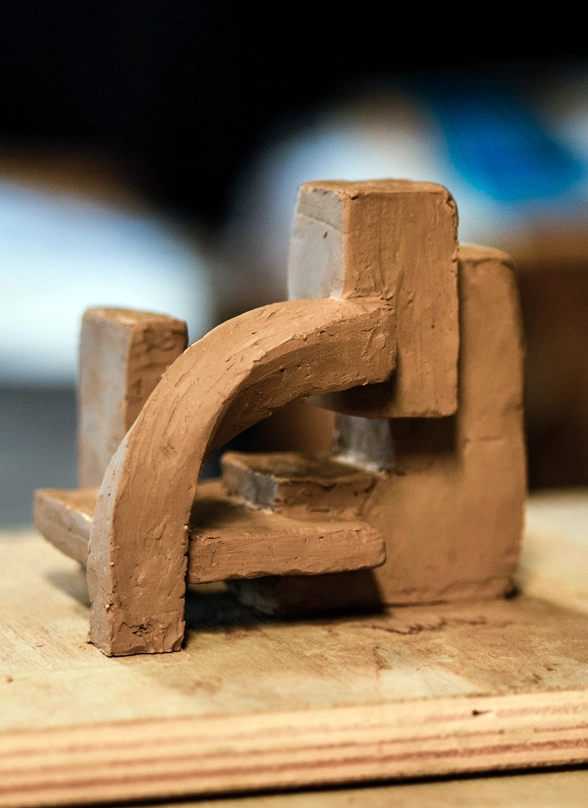
Abstract spatial exercises introduce form, weight, and relation. Simple structures become the basis for complex spatial reasoning.
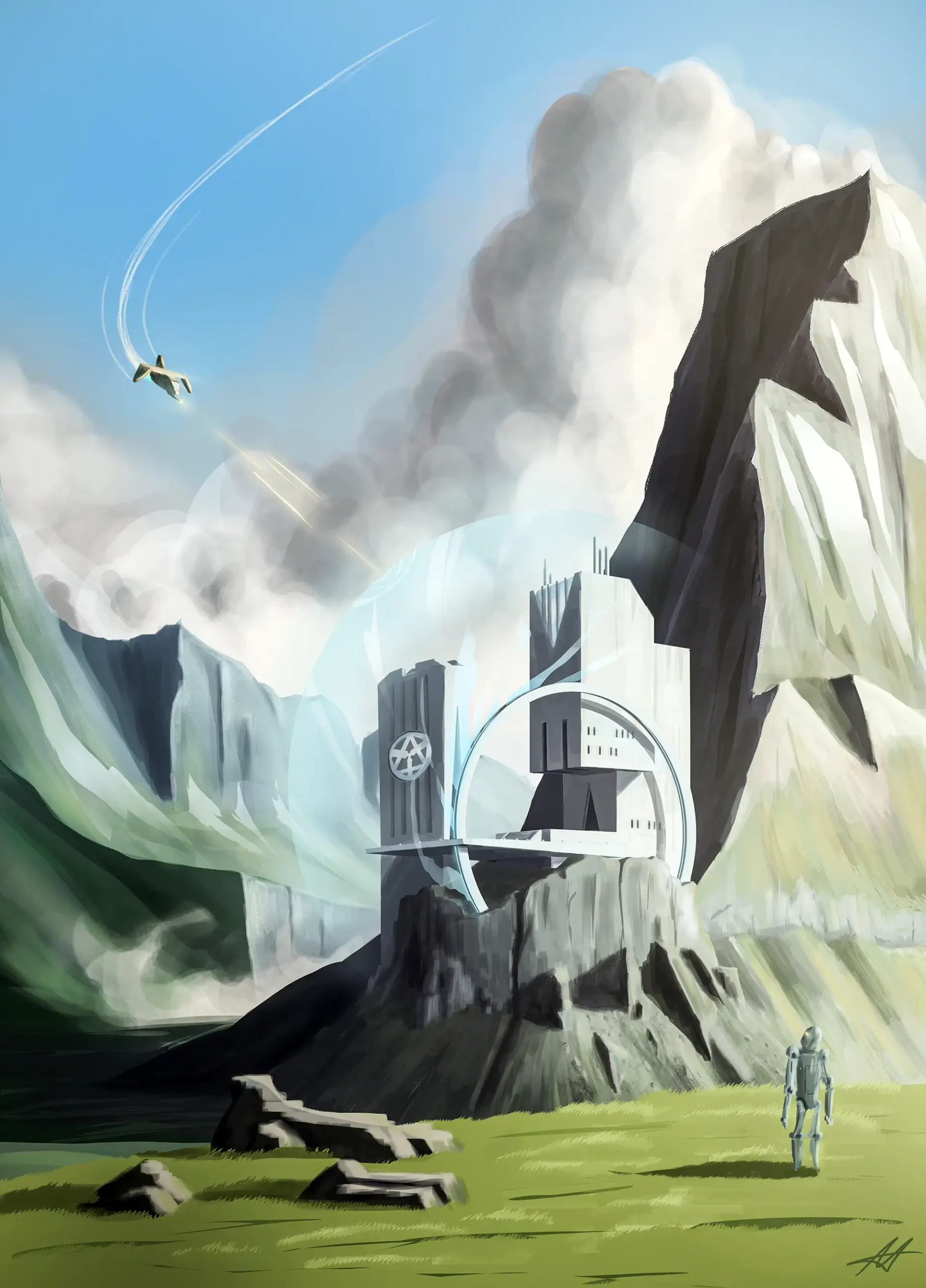
Bauhaus-based cube exercise Spatial composition through form and material is base for speculative worldbuilding studyStudent work: Maximilian Adler | Photo: Maximilian Adler
02 Image – Space Translation
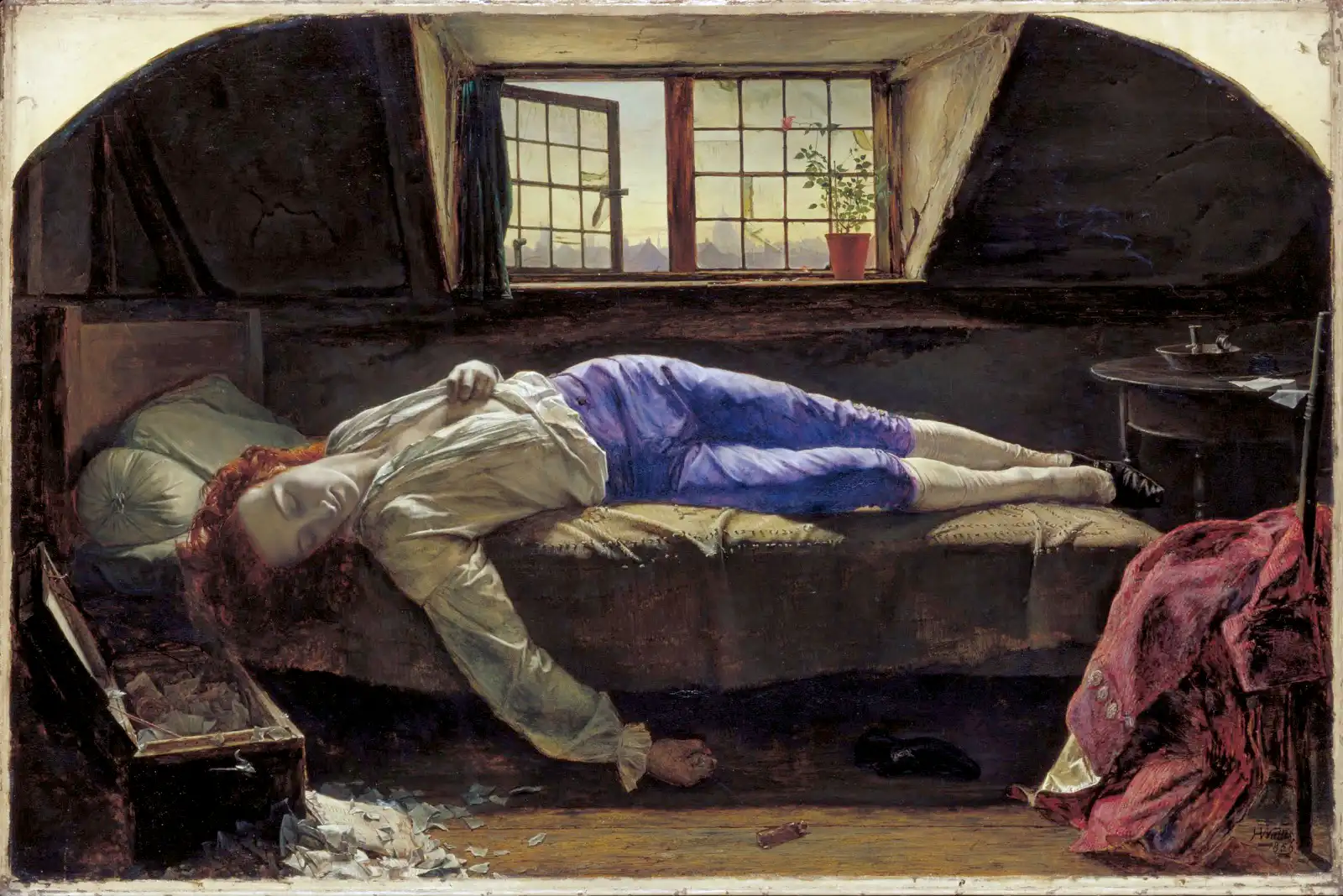
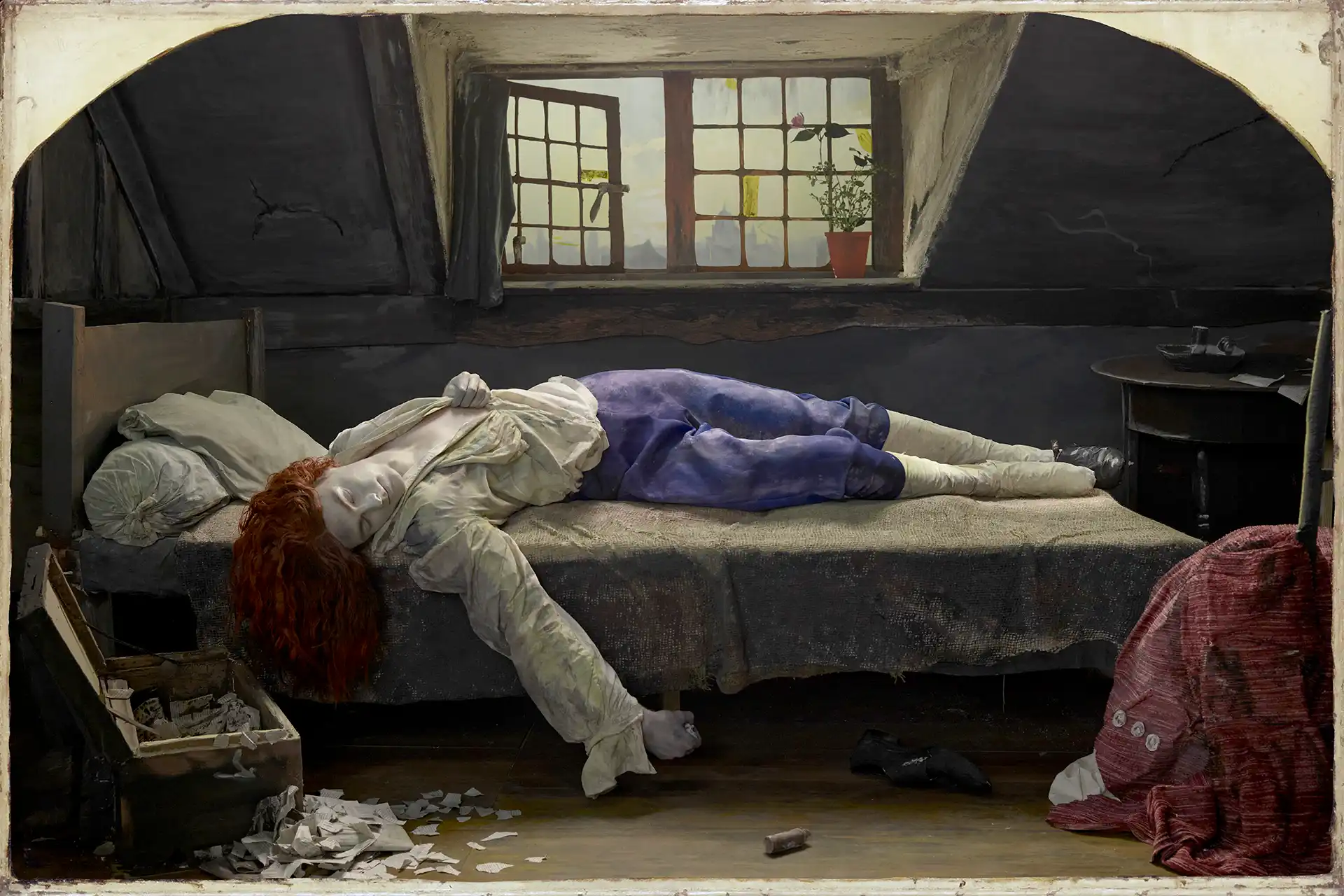
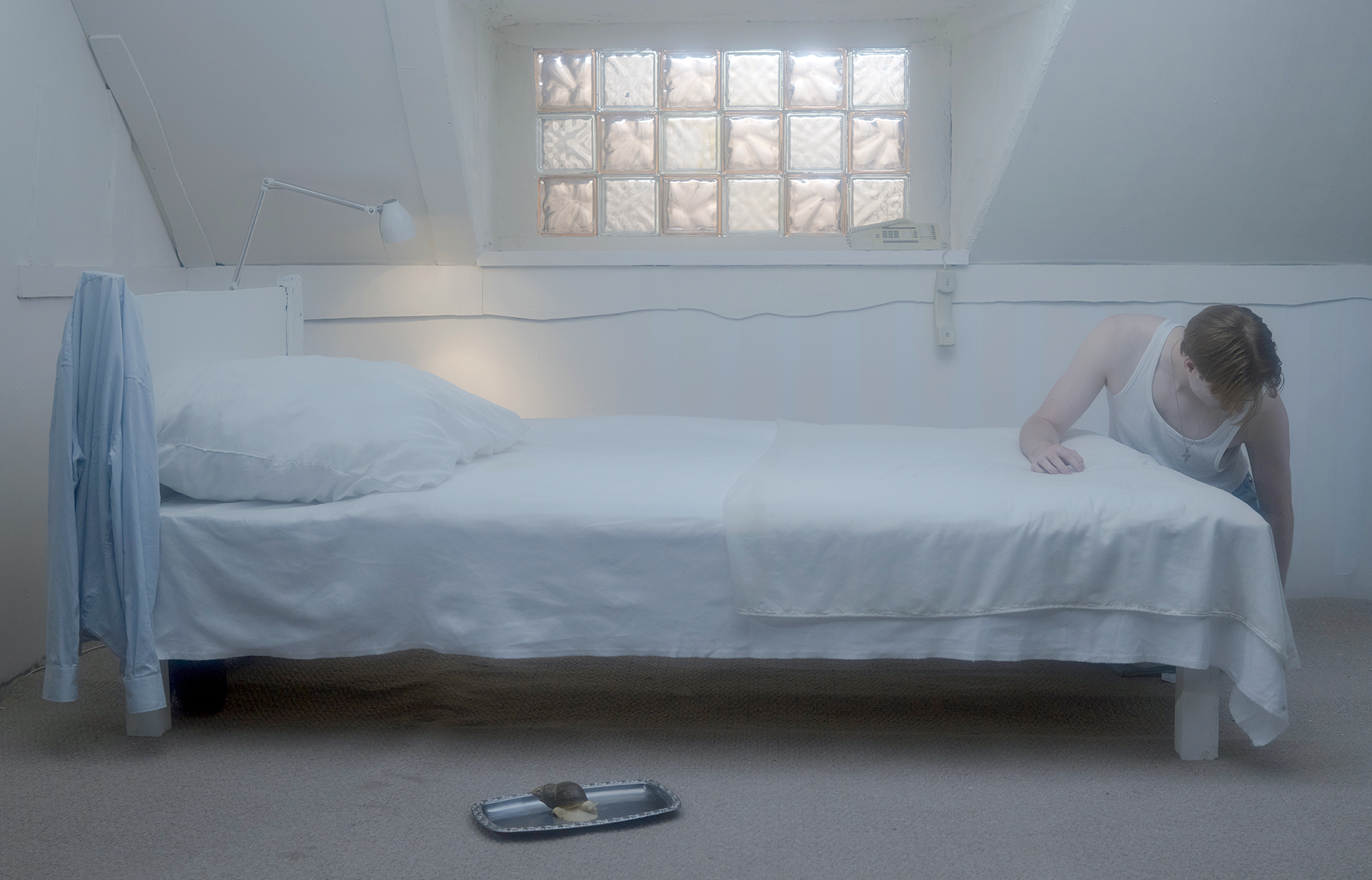
Images are translated into spatial and cinematic configurations. Developed within collaborative teaching formats, students explore how perception, framing, and atmosphere shape meaning.
Translating painting into spatial and cinematic configurationStudent work: Maximilian Adler, Peter Schlickmann | Photo: Suzanne de Carrasco, Lius Weindl
03 Worldbuilding & Speculation
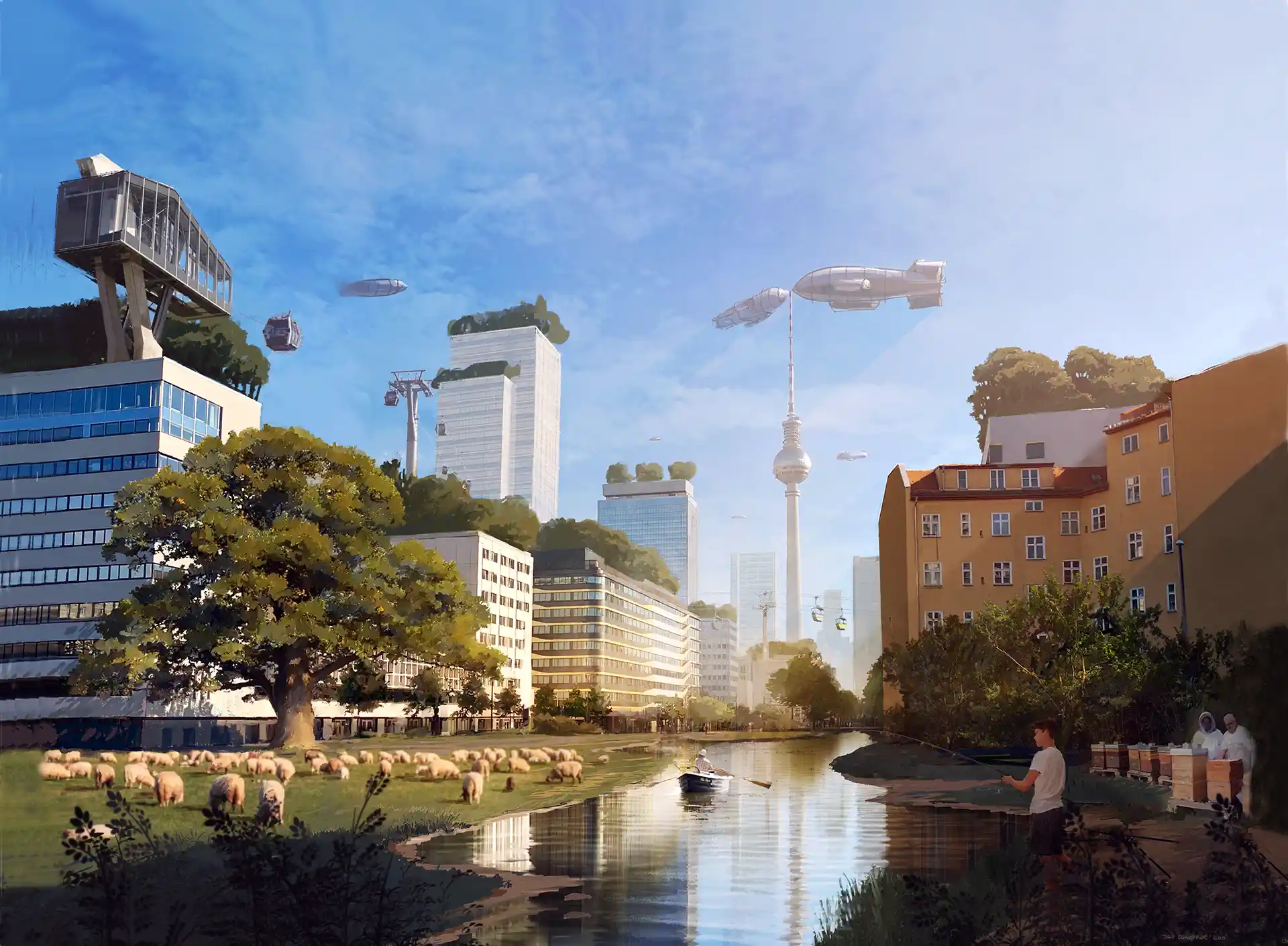
Speculative worlds connect artistic practice to ecological and social questions. Students develop narratives that extend beyond existing realities.
Art for Futures Lab | Speculative scenario for a nature-integrated BerlinWork by Jan Schneider, 2022
From Foundations to Practice
04 Studioprojekt
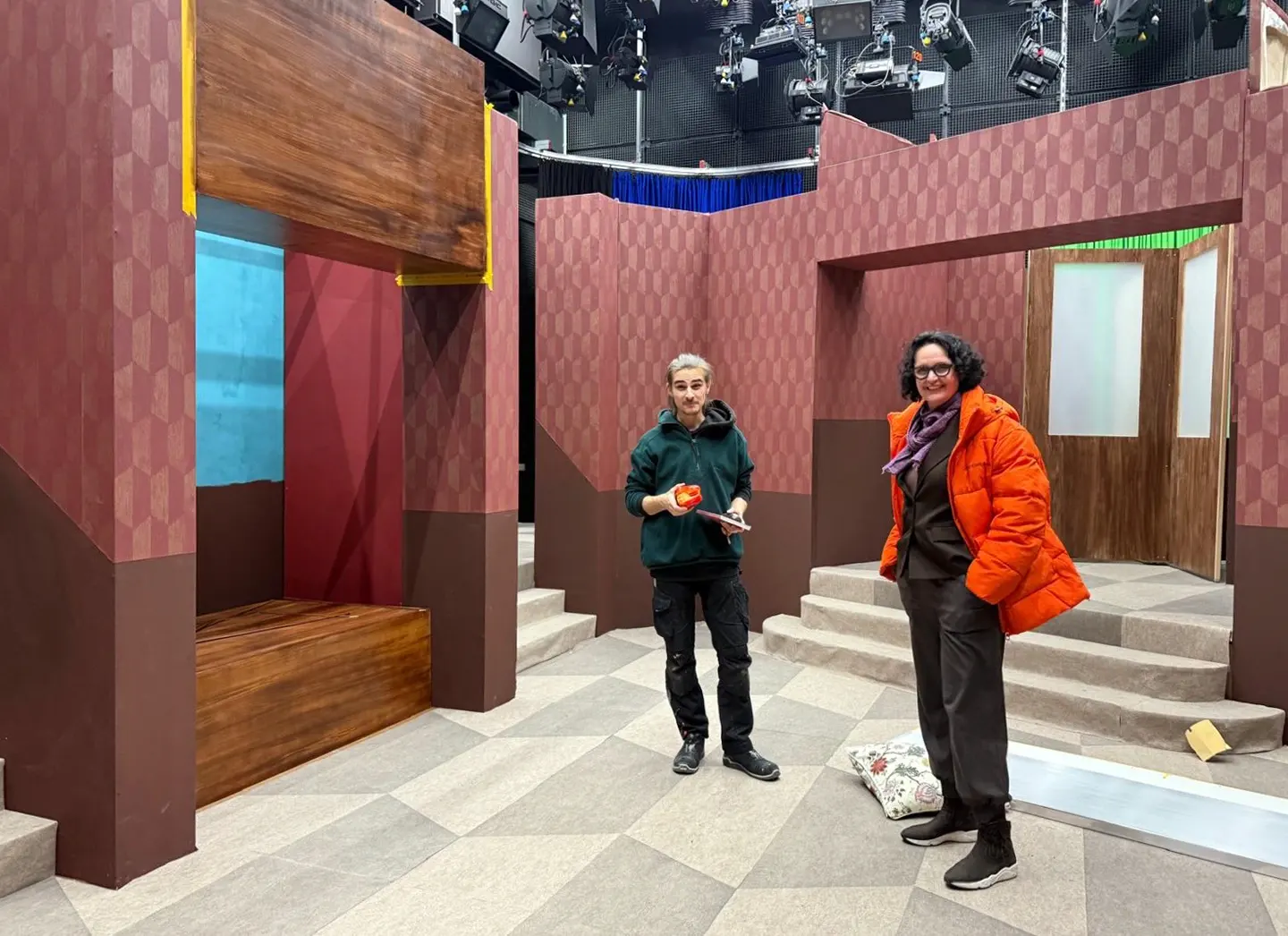
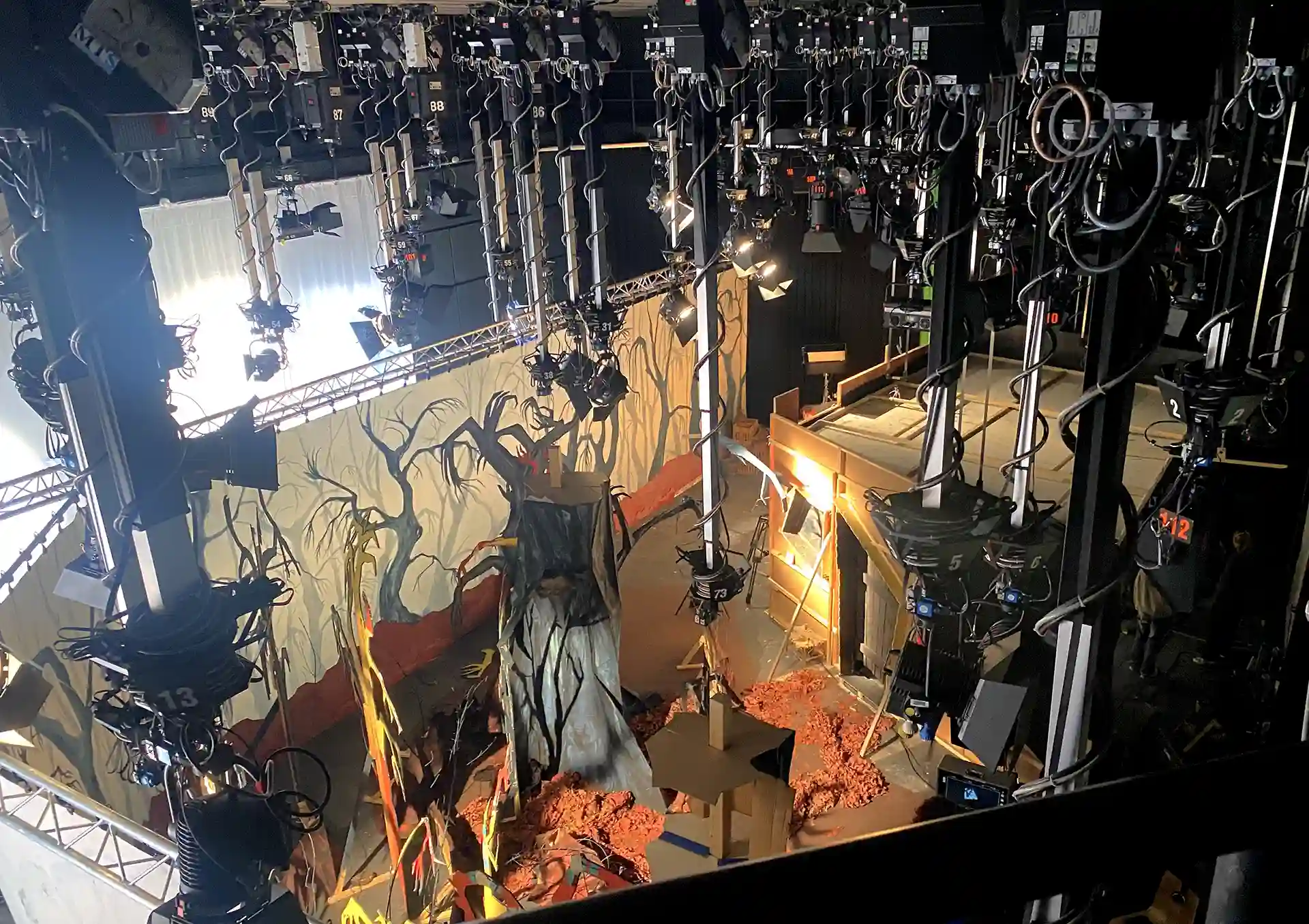
Interdisciplinary studio projects bring scenographic concepts into full-scale production. Students design, build, and realize environments for film.
Studio project (BA) | Set construction and spatial realization | Photo: Silke BuhrStudio project (BA) | Interdisciplinary film production | Photo: Angelica Böhm
05 Student Work / Exhibition
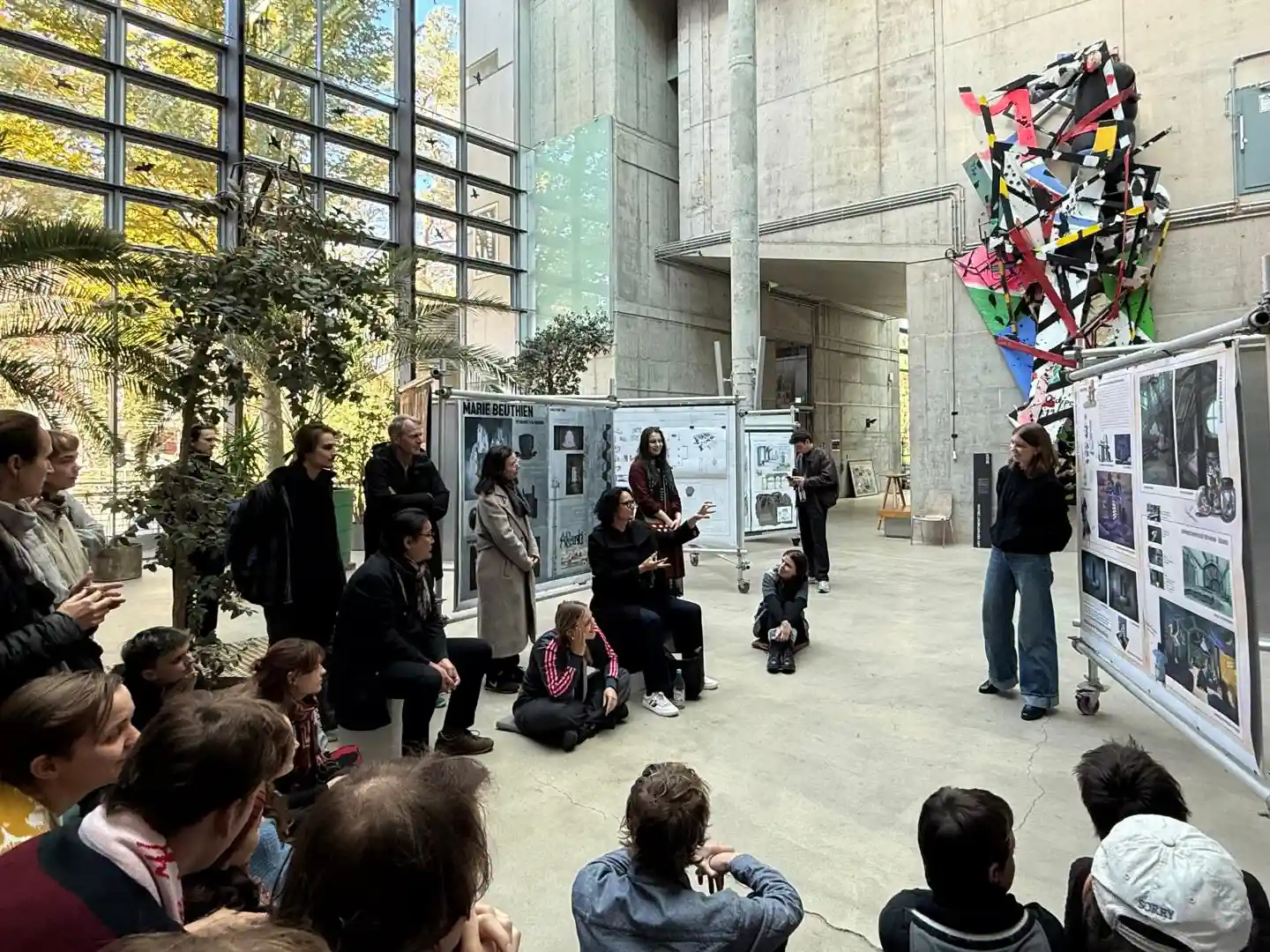
Student work is publicly presented and discussed.
Exhibition becomes a space for reflection, feedback, and positioning.
Student exhibition and feedback session | Reflection as part of scenographic practicePhoto: Silke Buhr